Ebenezer
Then Samuel took a stone and set it up between Mizpah and Shen and called its name Ebenezer; for He said, "Till now the Lord has helped us." 1 Samuel 7:12 |
My sister is a self proclaimed history nut. She loves it all, but the Civil War is her specialty. And the cherry on top for her is the historical battle, city, and sacred ground of Gettysburg. It is here that her passion pivots—it is pretty spectacular to witness.
During the Covid shut down, my Elanna was just entering into the civil war unit of her history class. Aunt Soni came to the rescue. Each day, especially during those first few weeks of the shut down, Elanna and Soni would get on a zoom call. She taught her the entire unit.
Years ago the entire Ness family took a trip down to Gettysburg. But we didn’t need a tour guide—we brought our own! It was amazing. To learn. To walk the sacred battle grounds. To relive history. And, most especially, to watch my sister in all her glory. This self proclaimed history nut solidified her station within the family lore forever. It was perfect.
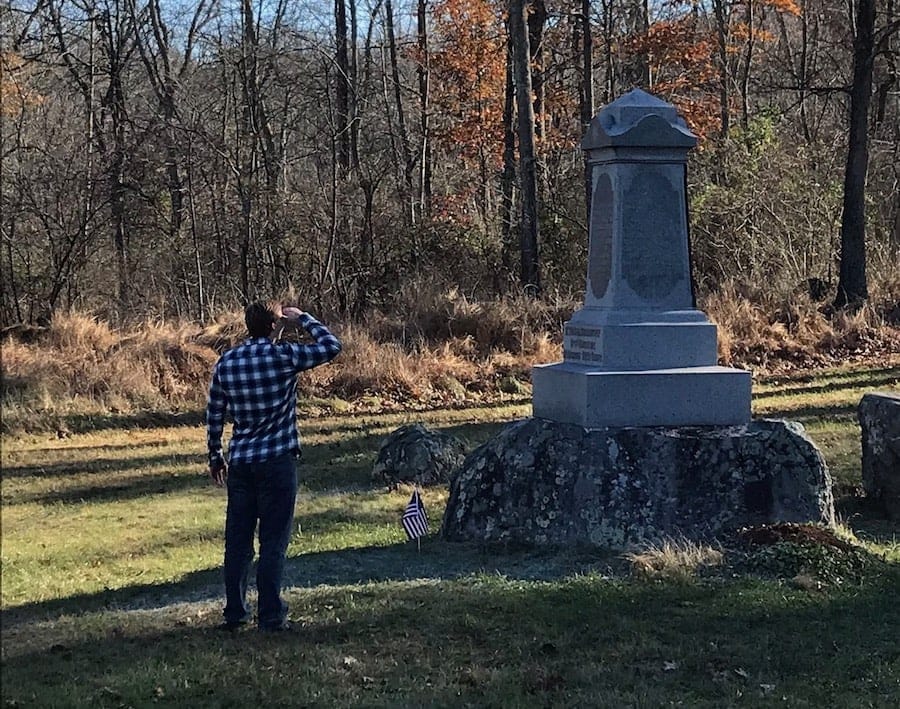
If you’ve been to Gettysburg, or any other battleground across our country, you know the entire city and battlefield is decorated with monuments. They mark people and regiments as well as locations of significance. The monuments are stone markers that tell the tale of the three day battle that took place July 1-3, 1863. These stones cry out the story.
These stones help you track the events of the battle. They tell the story and remember those who served and died for their causes. They are an important part of our shared history as American’s. The good, the bad, and the ugly part of our history. These markers tell a story
What are the markers in your life? Some good. Some bad. Some ugly.
Samuel, the one God called to lead Israel from the time of Judges into the time of the Kings, used stones to tell stories as well. The Philistines and the Israelites were enemies. Yup, Goliath was a Philistine. But this took place before the behemoth was taken out by the shepherd boy. These two nations were enemies long before. What’s worse, God used the Philistines to communicate His judgement on Israel.
The people of God had lost their way and found their own. Has that ever happened to you? Trusting in your methods. Leaning on your connections. Seeking your own solutions to challenges and problems that only God is qualified to speak into with authority. At this point in their story the Israelites had all but forgotten their faith. The stories of God’s faithfulness from the past were forgotten. Or, at least they had been stripped of their potency. The people had neutered the Lord. How? They had forgotten and become self reliant.
Have you ever been there? Have you forgotten the story that the Lord has been writing over your life since before you were born? Have you become self-reliant? Over confident in your ability, intellect, or skill? It happens to us all.
The Lord wasn’t happy about this development with the Israelites. And, using the Philistines, he offered a rude wake up call. The Philistines—those filthy Philistines—defeat the Israelite army and they take their most prized possession—the Ark of the Covenant.
Defeated and dejected. The wake up call works. Through Samuel’s leadership, faithfulness, and guidance the Israelites turn back to the Lord. It’s important to note in this story that the Philistines received nothing but problems when the Ark was in their possession. So they sent it back 7 months later. But their anger and fury still raged. They were coming for the Israelites. But they sure had poor timing.
Samuel led the nation of Israel in worship and confession. With bold proclamations of returning to the Lord and turning your back on the wicked ways, Samuel brought the Lord’s judgement—but also their deliverance. The Lord is jealous. But He is also forgiving. He wants to be your number one—your only one. And when you fail at this, He will receive you back. Every time.
As the Israelites were worshipping—as they were turning their face towards the Lord again—the enemy approached to attack. The alarm sounded—just as in the battle prior—but this time there was no call to arms. Instead, they worshiped.
The enemy attacked and the Israelites worshiped.
Sometimes, the best offensive we can launch against our enemies is to cast our eyes and our praise towards the Almighty.
Here, as the Israelites remembered who they were—the holy nation of the Lord—God worked. As the hearts of the Israelites turned back to the Lord—God worked. Not in some sort of divine payment for God’s protection. No, God worked following this worship because God protects those who belong to Him.
Not a sword was raised that day on the battlefield. The Lord went to battle on that field and brought victory to the people of God.
And Samuel raised a stone to mark the occasion. He raised a stone and called it Ebenezer—which means stone of help. Samuel raised a monument to commemorate the Lord’s help that was offered that fateful day. For generations Israelites would see that stone raised and they would remember the way the Lord redeemed and saved Israel.
When was a time that the Lord intervened on your behalf? A moment? A redemption song that He sung over you? How do you mark the moments of God’s saving help? Are there reminders: pictures, knick knacks, keep sakes? Monuments of memories where God came and delivered you?
“Here I raise my Ebenezer; Hither by Thy help I’ve come;
And I hope, by Thy good pleasure, Safely to arrive at home.
Jesus sought me when a stranger, Wandering from the God I love;
He, to rescue me from danger, bought me with His precious blood.”
The second verse to the classic hymn “Come Thou Fount of Every Blessing.”
Raise a stone. Tell a story. Point to the God who fights for you. Remember His victory over your life.
And then keep looking to that rock and remember. Because the One who saw you through that difficult time from your past—he is the same one that will work in you, with you, around you, and through you when you go through the storms that are ahead.
Reflect on stories of God's victory throughout your life. What are some Ebenezers that help you remember? If you don't have any physical Ebenezers consider finding a memento that marks the moment and tells the story.